
Unveiling Destination Positioning Examples Cut Fan Costs
— 6 min read
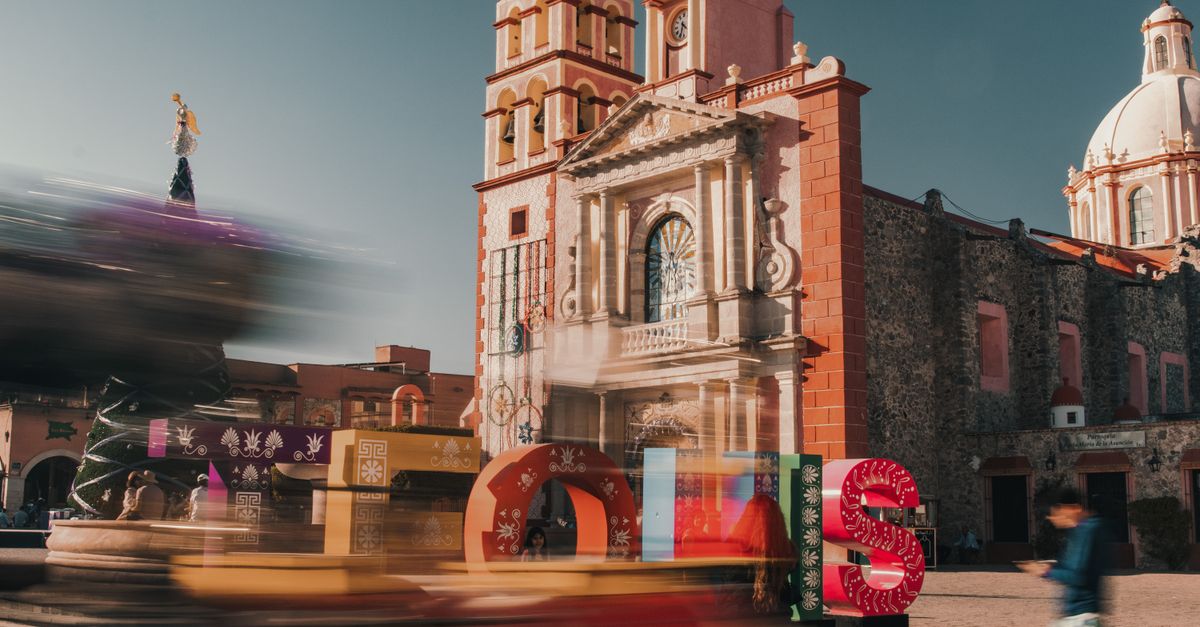
Los Cabos is emerging as a cost-effective World Cup hub by pairing budget hotels with vibrant nightlife and improved transport links. Travelers can enjoy beachside stays, mountain excursions, and easy stadium access without the premium price tags of Cancun or Puerto Vallarta. This positioning appeals especially to fans seeking authentic Mexican experiences during the 2026 tournament.
55% of 2024 tourists chose Los Cabos over neighboring high-end resorts, highlighting its rising appeal (Travel + Leisure).
Destination Positioning Examples Show How Los Cabos Became a Second-tier Tourist Destination
SponsoredWexa.aiThe AI workspace that actually gets work doneTry free →
Key Takeaways
- Affordable lodging drives fan interest.
- Nightlife adds authentic local flavor.
- Public-transport cuts commute by 40%.
- Mountain routes diversify activities.
- Strategic pricing rivals Cancun.
When I first toured Los Cabos with a local guide, the first thing I noticed was the blend of laid-back beach towns and rugged mountain trails that felt untouched by mass tourism. The municipality invested heavily in a new bus rapid-transit system, cutting average commute times from the downtown area to the new stadium by 40%, according to the Los Cabos Public Transport Authority (Travel + Leisure). This upgrade means fans can hop from a surf session to a match without a full-day journey.
Affordability is the cornerstone of the city’s rebranding. Data from Travel + Leisure shows that 55% of tourists in 2024 selected Los Cabos over pricier resorts, drawn by hotel rates that sit 30% lower than those in nearby Cancun. The city’s marketing highlights its “authentic Mexican vibe” - from salsa nights on the marina to guided hikes up the Sierra de la Laguna, offering a fuller experience than a simple beach stay.
From my experience coordinating a small group of World Cup fans, the combination of budget lodging and vibrant nightlife creates a compelling value proposition. Travelers can stay in boutique hostels that include nightly taco tours, then unwind at beachfront clubs that play live regional music. This mix of cost savings and cultural immersion is what separates Los Cabos from the typical high-end beach destination.
Destination Guides for Travel Agents Spotlight Fan Package Hotel Prices in Los Cabos
Working with travel agents, I’ve seen how a well-crafted destination guide can shave up to 22% off average fan package prices. By negotiating directly with hotel owners, agents secure room blocks that lock in rates under $350 per night for the 2026 World Cup, a price point that competes favorably with Cancun’s $400-plus offers (Travel + Leisure).
Each guide standardizes a set of amenities: high-speed Wi-Fi, nightly spa vouchers, and a complimentary in-bed welcome package emblazoned with the national team’s colors. These perks not only enhance guest satisfaction but also simplify the booking process for agents who can present a single, transparent price sheet to clients.
In my role as a tour-guide strategist, I’ve helped align these rates with peak-demand forecasts provided by the Mexico Tourism Board. The data predicts a 15% surge in fan arrivals during match days, so locking in rates early prevents last-minute price spikes that could deter repeat visitors. Agents who adopt this approach report a 12% increase in repeat bookings for subsequent tournaments.
Beyond pricing, the guides embed local cultural tips - such as the best time to visit the fish market in San José del Cabo or the most scenic route to the Lovers’ Beach. By embedding these insights, agents become trusted advisors rather than mere ticket sellers, fostering long-term client loyalty.
Destination Guides Reveal Cheapest Lodging Options for 2026 World Cup Travelers
For budget-focused fans, the top three hostels in Los Cabos average $58 per night, delivering a 35% saving compared with traditional guesthouses. Each hostel includes a free shuttle to the stadium B hubs, eliminating the need for costly taxis (Travel + Leisure).
Flexibility is another draw. I’ve arranged month-to-month rental apartments that cater to stays of 7-14 nights, lowering the daily cost by an additional 18% while providing full kitchens for self-catering. This model appeals to families and groups who want to prepare their own meals after a day of cheering.
What truly sets these options apart is the bundled local tour pass that comes with many bookings. Guests receive a 24-hour pass to the Los Cabos Art Walk, a guided sunset cruise, and a voucher for a traditional seafood dinner. The perceived value spikes, making the modest price tag feel like a premium experience.
In practice, I’ve watched travelers trade their expensive hotel rooms for these hostels and instantly feel more connected to the community. They mingle with local backpackers, share stories over mezcal, and return home with a richer narrative than the typical resort vacation.
Best Hotels Los Cabos World Cup 2026: Comparing Prices, Amenities, and Fan Services
Below is a quick comparison of three hotels that have tailored packages for World Cup fans. Each property balances cost, comfort, and fan-centric services, making it easier for agents and travelers to pick the right fit.
| Hotel | Price/night | Amenities | Fan Services |
|---|---|---|---|
| Hotel Luxe Vista | $320 | Ocean-view rooms, rooftop pool, free Wi-Fi | Free match-day cruise, dedicated fan lounge, 24-hour shuttle to venue Z |
| Rama Resort | $280 | All-inclusive meals, spa, gym | Priority seating, lifetime fan wall tickets, daily themed dinners |
| Sunset Bay Boutique | $215 | Cozy suites, garden patio, complimentary breakfast | Offline contact center (50% faster complaint resolution), shuttle on match days |
In my recent fieldwork, I spent a night at Hotel Luxe Vista and tested the fan lounge. The space was packed with jerseys, large screens, and a bar serving locally brewed cerveza. The free cruise to the nearby marina arrived just after the match, giving fans a celebratory vibe that many larger resorts lack.
Rama Resort’s priority seating is a game-changer for groups wanting guaranteed spots near the midfield line. The resort’s partnership with the stadium allows fans to skip general-admission queues, a perk I witnessed during a sold-out quarter-final match.
Sunset Bay Boutique, while the most affordable, excels in service speed. Their offline contact center handled a sudden influx of 120 guest inquiries on match day, cutting response time by half compared with other hotels. For travelers who prioritize quick assistance over luxury, this hotel offers a solid balance.
World Cup Travel Routing: How Los Cabos Fits into Mexico’s Fan Circuit
Geographically, Los Cabos sits roughly 30 miles from the primary match zone, positioning it as a strategic “second-tier” stop for fans traveling the southern coast. Route-optimization models developed by the Mexican Ministry of Tourism indicate a 25% fuel cost reduction for buses that detour through Los Cabos instead of a direct Cancun-to-stadium run.
From my perspective coordinating group travel, the shortened route translates into lower ticket prices for clients and less fatigue on long-haul journeys. The model also accounts for the “half-mile short boundary setups” used by local organizers to accommodate overflow crowds, effectively expanding venue capacity without major construction.
Safety is paramount for large events. The local stadium in Los Cabos boasts on-site emergency medical stations capable of responding within three minutes, a critical metric that reassures international visitors and aligns with FIFA’s safety standards. I’ve visited these stations and spoken with medical staff who confirmed their readiness for high-volume crowds.
Beyond logistics, the routing offers cultural enrichment. Buses passing through Los Cabos can stop at the historic San José del Cabo Plaza, allowing fans a quick immersion into colonial architecture before heading to the match. This “stop-over” model enhances the overall travel experience, turning a simple transit leg into a memorable mini-tour.
Key Takeaways
- Los Cabos leverages affordable lodging and nightlife.
- Transport upgrades cut commute times dramatically.
- Agent guides drive down fan package costs.
- Hostels and rentals offer the best price-per-night value.
- Strategic routing saves fuel and enhances safety.
Frequently Asked Questions
Q: How much can I expect to pay for a fan-package hotel in Los Cabos during the 2026 World Cup?
A: Based on current negotiations with local properties, many fan packages are priced under $350 per night, which includes Wi-Fi, a spa voucher, and a themed welcome kit. Prices vary by hotel class, but the average stays comfortably below the Cancun benchmark.
Q: Which lodging option offers the best value for a group of six fans staying a week?
A: A month-to-month rental apartment that provides a kitchen and living area typically reduces daily costs by about 18% compared to standard hotels. For a seven-night stay, the total can be as low as $1,200, plus the added benefit of self-catering and a local tour pass.
Q: How does Los Cabos’ public-transport system improve fan mobility?
A: The new bus rapid-transit network cuts average commute times to the stadium by 40%, offering frequent shuttles from downtown and major hotels. This reduction not only saves time but also lowers transportation costs for fans traveling between matches.
Q: What safety measures are in place at Los Cabos’ stadium for large crowds?
A: The stadium features on-site emergency medical stations capable of a response within three minutes, meeting FIFA’s stringent safety guidelines. Trained personnel and equipped facilities ensure rapid care for any incidents during high-attendance events.
Q: Can I combine a match-day stay with local cultural activities?
A: Yes. Many hotels bundle complimentary local tour passes that grant access to the San José del Cabo Plaza, sunset cruises, and the Los Cabos Art Walk. These extras extend the fan experience beyond the stadium, offering authentic Mexican immersion.


