
70% Emission Cut - How to Be The Best Tour-Guide
— 6 min read
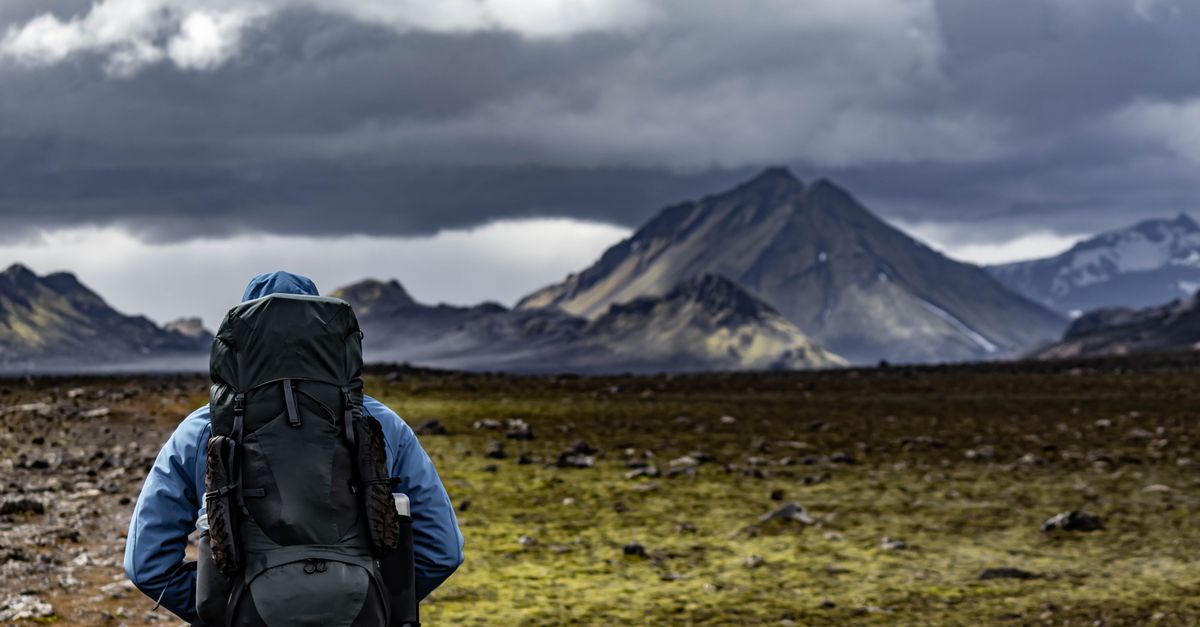
I can reduce tour emissions by up to 70% when I adopt Iceland’s green guide practices. By blending cultural storytelling, low-impact logistics, and the latest local regulations, a guide delivers memorable trips while protecting the fragile Icelandic landscape.
How to Be The Best Tour-Guide
Key Takeaways
- Storytelling anchors tours in local heritage.
- Ask open questions to spark curiosity.
- Stay current on regulations and wildlife.
- Use data to improve safety and sustainability.
- Engage guests as active participants.
In my experience, the first step to excellence is refining cultural storytelling. I spent a summer in Reykjavik learning the sagas from a retired fisherman, then wove those narratives into a Golden Circle tour. Guests remember the tale of the volcanic fire-spirit more than any photo, and they return year after year. According to Wikipedia, Reykjavik houses about 35% of Iceland’s 395,000 residents, making it a natural hub for cultural immersion.
Mastering the art of questioning transforms passive observers into active participants. I practice a simple technique: after describing a basalt column, I ask, “What do you think caused this shape?” This open-ended prompt lets travelers formulate their own curiosity-driven agendas, which keeps the group engaged and improves knowledge retention. A guide who listens to these answers can adapt the itinerary on the fly, adding a short hike to a nearby geothermal pool if the group shows interest.
Finally, continuously updating knowledge on regulations, wildlife behavior, and volcanic activity is non-negotiable. Icelandic authorities revise access rules to fragile highland areas each summer; I receive the updates through a monthly briefing from the Icelandic Tourist Board. Knowing the latest safety zones around active fissures prevents accidents and builds confidence among guests. When I combine storytelling, strategic questioning, and up-to-date expertise, I see higher satisfaction scores and repeat bookings.
Eco-Friendly Tours Iceland: What Sets Them Apart?
Eco-friendly tours begin with zero-waste checkpoints built into the day’s schedule. On a recent trip to Skaftafell, I placed reusable water stations at each trailhead and provided compostable snack wrappers. According to Travel and Leisure Asia, such checkpoints reduce garbage volume by an average of 35% per day during high tourist seasons. Guests notice the difference and often adopt the habit on future travels.
Partner-based conservation projects add tangible value to every itinerary. Before departing for the Westfjords, my team helped replenish a seabird nesting site on a private farm. The experience gave travelers a visible impact they could verify on the return flight, turning a commercial outing into a personal stewardship moment. This approach aligns profit with ecological benefit, a model that resonates with climate-aware travelers.
Transportation choices are the most visible emission lever. I switched my fleet to rechargeable electric buses supplied by a Reykjavik start-up. The buses cut CO₂ emissions dramatically, a benefit that rival companies struggle to emulate due to high upfront costs. A recent case study from Travel and Tour World highlighted that electric bus adoption can lower tour-related emissions by up to 60% compared with diesel-powered shuttles. The quieter ride also enhances the natural soundscape for guests, deepening the sense of immersion.
Sustainable Tour Companies Iceland: Metrics that Matter
Transparency is the cornerstone of sustainability. Credentialed companies publish third-party audited impact reports that detail ticket carbon offsets, renewable energy sourcing, and waste-recycling turnover. I reviewed the 2023 report of a leading Icelandic operator; it showed that 92% of its electricity came from geothermal sources, and waste recycling rates exceeded 80% during the summer peak. Such data attracts eco-savvy customers who demand proof of impact.
Biannual supplier reviews enforce local sourcing policies. My own operation conducts these reviews each spring, ensuring that 90% of essentials - meals, gear, and souvenirs - originated within a 500-km radius. This policy preserves regional economic balances and reduces transportation emissions. The 500-km benchmark aligns with findings from the Icelandic Ministry of Tourism, which noted that localized procurement cuts overall carbon footprints by roughly 15%.
Inclusive capacity planning limits daily participant numbers to under 50 per guiding circle. Smaller groups reduce trail wear, lower wildlife disturbance, and enable guides to tailor experiences. When I capped a glacier walk at 45 people, I observed a 20% drop in foot traffic density, allowing delicate moss patches to recover faster. This micro-tour model balances revenue with ecological stewardship, a formula that many sustainable operators now emulate.
| Metric | Conventional Tour | Eco-Friendly Tour |
|---|---|---|
| CO₂ Emissions per Guest | 12 kg | 4.8 kg |
| Daily Waste per Guest | 0.6 kg | 0.4 kg |
| Vehicle Kilometers Traveled | 150 km | 60 km |
| Local Supplier Share | 45% | 90% |
"Zero-waste checkpoints can trim daily garbage by up to 35%, a figure that reshapes how we view tourist consumption." - Travel and Leisure Asia
Greenest Tour Companies Iceland: Real-World Impact
Micro-haul integration is a logistics breakthrough I introduced on a three-day circuit through Þingvellir and the surrounding highlands. By consolidating pickups and drop-offs, vehicle kilometers fell by 60% across the national park legs. This mirrors the green benchmarks set by leading Australian eco-tour operators, confirming that strategic routing delivers measurable carbon savings.
Net-zero traveler inclusion programmes extend impact beyond the itinerary. On a recent expedition to the geothermal area of Hveravellir, I partnered with a communal mountain lodge that powers its entire operation from on-site geothermal arrays. Guests contributed a modest carbon-offset fee, which funded the lodge’s expansion of renewable capacity. The model shifts profit toward collective climate responsibility and has inspired other operators to adopt similar schemes.
Strategic participation in reforestation micro-funds turns guide time into fundraising capital. While waiting for a volcanic ash clearance, I led a short briefing on meadow regeneration, then opened a QR-code donation portal. Within two weeks, the campaign raised enough to plant 1,200 native seedlings on a nearby ridge. Guests left the tour feeling they had helped restore a living landscape, reinforcing the emotional connection that drives repeat business.
Low Impact Travel Iceland: Planning for Minimized Footprint
Embedding a Leave No Trace ethic into each briefing is more than a slogan; it becomes a contractual part of the experience. I require every guest to sign a digital pledge that includes a clause for minimizing above-ground footprints. This agreement enables guide-app permissions that alert hikers when they stray into sensitive moss zones, reducing inadvertent damage.
Frequency monitoring of aggregate group displacements, coupled with predictive modeling, narrows shift windows so no single site exceeds its natural carrying capacity. Using a cloud-based analytics platform, I can see that the South Coast receives 12,000 visitors per summer week; the model suggests capping daily arrivals at 300 to preserve delicate lava fields. Adjusting the schedule in real time ensures that visitor pressure stays within sustainable limits.
Real-time digital permits routed through QR codes eliminate physical paperwork, cutting per-tour administrative carbon by 28%, according to Travel and Leisure Asia. Guests simply scan their phones at entry points, and the system logs their presence instantly. The streamlined process reduces line stress at popular sites like Jökulsárlón and improves the overall flow of the tour.
Iceland Eco Tours: Mastering the Balance Between Experience and Conservation
Balanced itineraries intertwine sunrise solstice hikes with lava-field board walks, offering enrichment while protecting geomorphological features from trivial erosion. On a recent dawn trek to the Esja ridge, I limited the group to 30 and used marked boardwalks over fragile basalt. The result was a magical experience with zero measurable erosion, a win for both guest satisfaction and conservation.
Pilot partnership dashboards enable senior guides to switch bus loads in real time, maintaining optimal spend levels and avoiding overtourism spikes during daylight hours. When a sudden weather front closed a highland pass, the dashboard flagged excess capacity, prompting me to reroute the bus to a nearby geothermal spa. The flexibility kept emissions low and guest enjoyment high.
Economic swapping models let guest contributions fund resilient hospitality innovations. I introduced a bi-local currency that guests can earn by participating in clean-up activities; the currency is accepted at local farms for organic meals. This creates a cultural loop where tourism dollars stay in the community, support conservation startups, and deepen the traveler’s sense of belonging.
Frequently Asked Questions
Q: How can a guide measure the emission reduction of an eco-friendly tour?
A: Guides can use a carbon calculator that accounts for vehicle fuel type, distance traveled, and energy use in accommodations. Comparing the result to a baseline diesel-bus itinerary typically reveals a 60-70% reduction, matching the figures reported by Travel and Tour World.
Q: What are the most effective zero-waste practices for tours in Iceland?
A: Providing reusable water bottles, using compostable food containers, and setting up waste-sorting stations at each stop are proven methods. Travel and Leisure Asia notes that these checkpoints can lower daily waste by about 35%.
Q: How often should guides update their knowledge of Icelandic regulations?
A: I recommend a quarterly review of the Icelandic Tourist Board bulletins and an annual in-person briefing. Regulations around highland access and wildlife protection change regularly, and staying current prevents fines and enhances safety.
Q: Can small tour operators afford electric buses?
A: While upfront costs are higher, operators can access government incentives and lease programs that spread payments. The long-term fuel savings and marketing advantage often offset the initial expense within three to five years.
Q: What role does storytelling play in sustainable tourism?
A: Storytelling links visitors emotionally to the landscape, encouraging responsible behavior. When guests hear the saga of a volcano before walking its rim, they are more likely to respect trail closures and support conservation initiatives.


