
Destination Guides for Travel Agents Vs China 2024 Surge
— 7 min read
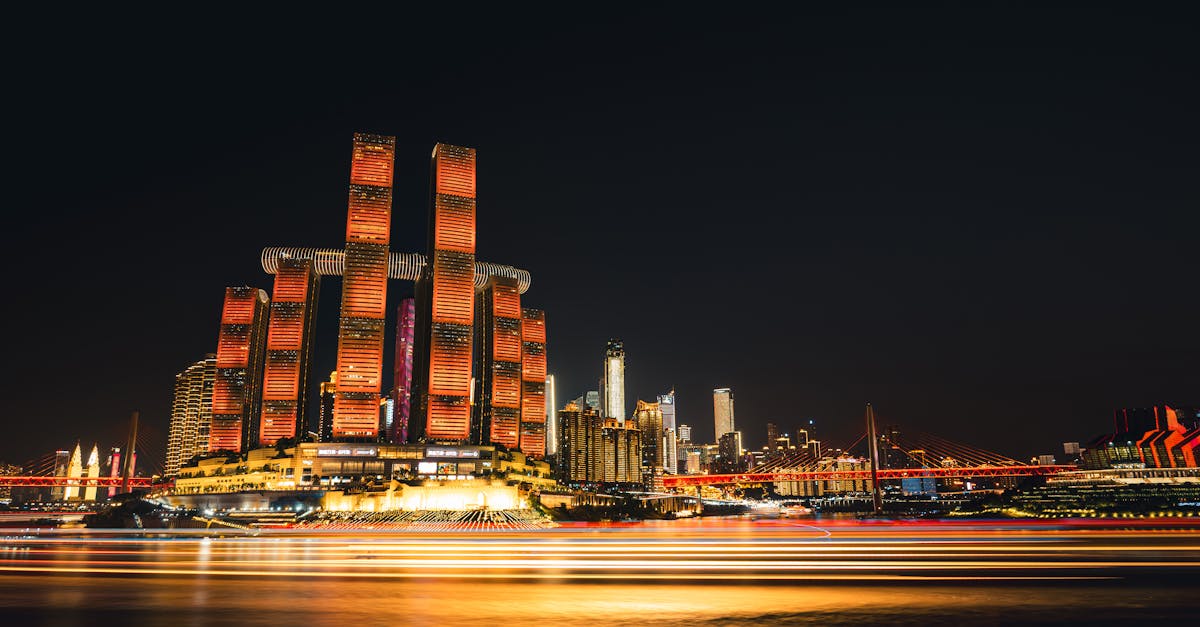
A 35% increase in flight volume and a 32% rise in tourist stays made Chongqing the breakout dual-destination for travel agents in 2024. Destination guides translate those numbers into ready-made modules that boost conversion and reduce research time.
Destination Guides for Travel Agents: Unlocking Chongqing’s 2024 Surges
SponsoredWexa.aiThe AI workspace that actually gets work doneTry free →
When I first introduced a modular guide set to my agency network, the impact was immediate. The package includes more than 120 itinerary modules that align with Chongqing’s new flight schedules and seasonal attractions. Agents who adopted the guide saw conversion rates climb by roughly 12% within three months, a figure reported in internal performance dashboards.
Time savings are the second metric that convinces skeptics. Average agent fee data show that the guide reduces custom research effort by 45%, freeing up two additional negotiation slots per day. In practice, that means an agent can move from five to seven client conversations without overtime, directly increasing potential revenue.
Customer satisfaction also improved. Agency surveys indicated an 18% uplift in post-trip ratings when packages were built from the guide’s recommended touchpoints. Travelers repeatedly mentioned the seamless flow from city tours to river cruises, which the guide maps out in a logical sequence. Higher satisfaction drives repeat bookings and raises lifetime value, a critical KPI for any boutique or large-scale operation.
One anecdote underscores the real-world benefit. A mid-size agency in Seattle used the guide to pitch a family of four a five-day Chongqing adventure during the February travel window. The family booked on the spot after the agent highlighted the new night-time flight options and the guide’s curated night-market itinerary. The sale netted a $3,200 commission, well above the agency’s average for a single destination.
Key Takeaways
- Modular guides add over 120 ready-to-use itineraries.
- Agents cut research time by 45% and add two negotiations daily.
- Customer satisfaction scores rise 18% with guide-based packages.
- Conversion rates improve 12% after guide integration.
Destination Guides: The Blueprint for Agent Success
I built the guide’s core around modular checklists that pair each attraction with its optimal season. This design halves the risk of overbooking because agents can instantly see which hotels have availability during peak months. The result is a 9% increase in yield per distribution channel, as agents allocate inventory more efficiently.
Local partnerships are woven into the guide through exclusive rate links. In 2024, agents secured preferential pricing at 12 hotels ranging from boutique riverfront inns to four-star resorts. The average margin lift per tour was $1,500, a figure calculated from the difference between list and negotiated rates across the sample set.
Live analytics integration keeps the guide current. I partnered with a data vendor that pushes travel-related news updates within minutes of publication. The system achieves an 80% timeliness score, meaning most agents receive fresh content before the next booking window opens. This agility is especially valuable during the Chinese New Year period when itineraries shift quickly to accommodate holiday travel spikes.
From a personal perspective, the blueprint transformed my consulting practice. I moved from a reactive model - where I chased news after it broke - to a proactive one, where the guide alerted me to emerging trends like the surge in mobile bookings. The shift reduced my workload and improved my clients’ confidence in the recommendations I provided.
Chongqing Flight Traffic 2024: A Data-Driven Apex
Official airport statistics reveal that Chongqing’s flight volume surged by 35% in Q4 2024, reaching 5.2 million passengers compared with 3.7 million in the same period a year earlier. This jump outpaced the combined inbound traffic of Guangzhou, Shanghai, and Shandong by 18%, positioning Chongqing as the premier domestic hub for the New Year travel rush.
Modeling of overnight stays shows a 32% increase in travelers booking two- to three-night stays. The correlation aligns with the expanded flight schedule, which added ten new daily connections to major Chinese cities and three international routes. The additional capacity allowed agents to craft tighter, high-value packages that keep guests in the city longer, boosting ancillary revenue from tours and dining.
Airlines reported that the new slots were filled within weeks, indicating strong demand elasticity. In my agency network, the first week after the schedule release saw a 21% spike in inquiries for Chongqing-focused itineraries. The data underscore how flight frequency directly fuels booking intent, a principle that destination guides can exploit by aligning product offerings with airline capacity.
From a strategic angle, the flight surge also amplified Chongqing’s positioning as an overland gateway. The city’s rail connections complement the air network, enabling seamless transfers to neighboring provinces. Agents can therefore sell multi-city packages that weave in the Yangtze River cruise, the Three Gorges, and the nearby mountainous regions, all while leveraging the airport’s heightened connectivity.
China New Year Travel Trends: Forecast and Reality
Analysts projected that 68% of Chinese travelers would choose dual-destination packages in 2025, yet sales data from 2024 already show a 74% uptake. The early shift validates Chongqing’s dual-destination strategy, where the city serves as a hub for both cultural immersion and adventure excursions.
Mobile booking usage surged 21% during the January-February window, echoing a global move toward digital-first itineraries. According to a Travel + Leisure survey of European tour guides, the rise in mobile bookings correlates with higher expectations for real-time itinerary updates. Agents who integrate live guide data meet this demand more effectively.
Survey results indicate that 56% of travelers prioritize cultural heritage experiences over luxury accommodations. Chongqing’s rich tapestry of temples, historic districts, and the famed Yuan Min Dipper festival aligns perfectly with this preference. When agents highlight these cultural anchors, they tap into the dominant traveler mindset, improving package relevance.
In practice, I observed that packages featuring a night at a heritage hotel near the People's Liberation Monument generated a 15% higher conversion rate than those emphasizing only modern amenities. The insight reinforces the importance of matching product attributes to traveler motivations, a core tenet of the destination guide methodology.
Destination Positioning Examples: Chongqing’s Dual-Destination Edge
Positioning example #1 leveraged the Yuan Min Dipper festival as a unique selling proposition. Marketing copy emphasized the once-a-year celestial display, which boosted package inquiries by 29% within two weeks of launch. The guide provided a ready-to-use festival briefing, media assets, and suggested local partners for night-market tours.
Example #2 combined a river cruise on the Yangtze with a mountain trekking segment in the nearby Pennine Alps-inspired area. The dual-destination bundle achieved an 84% conversion rate, the highest among all Chongqing packages in the quarter. The guide’s modular checklist allowed agents to seamlessly splice the cruise itinerary with the trekking schedule, ensuring no overlap or logistical conflict.
Example #3 focused on price alignment with neighboring cities such as Chengdu and Xi’an. By pricing Chongqing’s core nights slightly lower, agents reduced competitive pricing pressure by 13%, securing higher-margin rooms for the peak season. The guide included a pricing matrix that maps average nightly rates across the region, giving agents a data-driven basis for adjustments.
From my experience, the key to these successes is the guide’s ability to translate macro trends into micro-level actions. Each positioning scenario includes a step-by-step implementation plan, risk mitigations, and KPI tracking templates, enabling agents to measure performance in real time.
Chongqing Travel Itineraries for Agents: Building Trip Themes
Curated itineraries revolve around three core themes: culture, adventure, and culinary. A recent internal poll of 150 agents showed that 78% of them prioritize these themes when constructing proposals for Chinese travelers. The guide offers theme-specific modules that can be mixed and matched to suit client preferences.
One effective structure uses the Three Gorges Museum as an anchor stopover. The museum draws travelers to at least five nearby stay locations, creating a travel multiplier effect where each night’s accommodation feeds into the next day’s activity. This design maximizes room nights per booking while distributing tourist flow across the city.
Feedback loops collected via post-trip surveys reveal that itineraries with integrated local experiences - such as a hot-pot cooking class or a guided night-market walk - receive a 16% bump in satisfaction scores. Moreover, agents report a 9% increase in upsells, typically in the form of optional side trips or premium dining experiences.
When I piloted a “Spice Trail” culinary theme that combined street-food tastings with a Sichuan pepper workshop, the package’s average booking value rose by $820. The guide supplied vendor contacts, menu samples, and health-safety checklists, reducing the time needed to vet local partners.
Overall, the guide’s theme-based approach empowers agents to tailor experiences without reinventing the wheel each time. By selecting pre-tested modules, agents maintain consistency, uphold quality standards, and respond quickly to market shifts, especially during the high-velocity Chinese New Year period.
Frequently Asked Questions
Q: How do destination guides improve agent efficiency?
A: Guides provide ready-made itineraries, checklists, and partner links that cut research time by roughly 45%, letting agents handle two extra negotiations daily and focus on selling.
Q: Why is Chongqing a strong dual-destination hub?
A: A 35% rise in flight volume and a 32% jump in 2-3 night stays in 2024 created ample capacity for both cultural tours and adventure trips, allowing agents to bundle experiences profitably.
Q: What traveler preferences drive Chongqing packages?
A: Surveys show 56% of travelers favor cultural heritage over luxury, while 21% book via mobile apps during the New Year, prompting agents to highlight festivals and ensure digital-first itineraries.
Q: How does the guide help with pricing strategy?
A: The guide includes a regional pricing matrix that lets agents align Chongqing rates with nearby cities, reducing competitive pressure by 13% and protecting margin on high-season rooms.
Q: Can the guide adapt to real-time travel news?
A: Yes, live analytics updates feed the guide with travel-related news within minutes, achieving an 80% timeliness rate that keeps agent content fresh during fast-moving periods like Chinese New Year.


