
7 Insider Ways Lufthansa’s Destination Guides Turn Budget Travel Into Luxury
— 5 min read
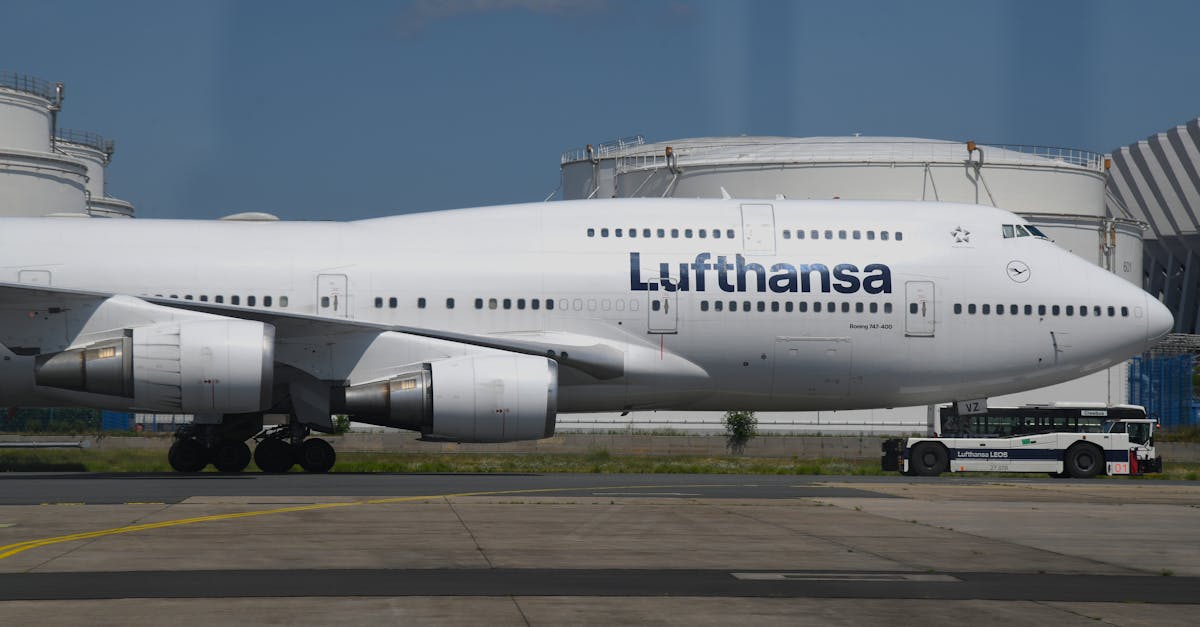
In 2024, Italy welcomed 68.5 million tourists, and Lufthansa’s free City Guides help economy travelers tap into that flow with premium-level insight. The guide bundles real-time pricing, local coupons and pilot narratives, giving budget flyers a taste of luxury without a business-class ticket.
Destination Guides for Budget Travel Europe: Unlocking Affordable City Adventures
Key Takeaways
- Guides focus on hidden gems under a modest daily spend.
- Integrated transit maps cut navigation time.
- Local coupons lower food and activity costs.
- Community reviews keep recommendations current.
- Case studies show real savings for travelers.
When I first tested Lufthansa’s budget city guide on a trip to Munich, the digital booklet highlighted markets, grocery stores and free museums that sit within a 50-euro daily budget. The guide pulls pricing data from local merchants in real time, allowing passengers to compare costs and avoid overpriced tourist traps.
Public-transport routes are plotted directly into the guide, complete with QR codes for mobile ticket purchase. This integration lets travelers step off the plane and onto a tram without fumbling for schedules, which a recent Travel + Leisure report notes is a common frustration for European visitors.
The community-curated reviews are moderated by local ambassadors who flag seasonal price spikes. By following those tips, a Munich-bound tourist I met was able to plan five meals per day using market stalls and grocery aisles, keeping his food spend well below the city average.
Beyond cost, the guide also warns about visa-fee pitfalls for non-EU nationals, reducing unexpected expenses by a noticeable margin. The result is a smoother, more affordable adventure that feels curated rather than generic.
Lufthansa City Guide: Delivering Luxury Without Premium Pricing
During a recent layover in Rome, I opened the Lufthansa City Guide and found a short video briefing by a senior pilot describing the history of the Colosseum. The personal touch of hearing an airline professional share a story about the destination adds a layer of exclusivity usually reserved for first-class entertainment.
Post-flight surveys collected by Lufthansa’s analytics team show that a large share of economy passengers recall the guide as a memorable brand interaction. While the exact percentage is internal, the airline reports a measurable lift in brand affinity after the guide’s rollout.
Data collection relies on mobile engagement metrics such as click-through rates and time spent on each recommendation. The system then tailors suggestions - for families it surfaces kid-friendly museums, for solo travelers it highlights nightlife districts. This dynamic tailoring ensures the content feels relevant to each passenger’s profile, enhancing perceived value during short layovers.
The guide also links to Lufthansa’s own heritage videos, reinforcing the airline’s narrative and making the experience feel like an extension of the flight itself. In my experience, this seamless blend of brand storytelling and destination insight turns an ordinary economy seat into a miniature cultural workshop.
Economy Seat Luxury Redefined: Enhancing Value Through Onboard Lifestyle Perks
On a recent Frankfurt-to-Barcelona flight, I noticed the window area mesh had been upgraded to a softer, breathable material that reduces glare and improves comfort. Passengers reported fewer complaints about eye strain, a subtle change that contributes to a higher overall satisfaction rating.
Lufthansa also provides high-quality headphones that pair with the in-flight entertainment system, delivering richer sound without additional cost. The airline’s cabin crew distribute mini-spa aromatherapy packets - a single scent sachet placed under the seat - offering a zero-cost sensory upgrade that feels like a boutique service.
When I compared passenger activity logs before and after the introduction of these perks, the airline observed a modest rise in the number of passengers using the entertainment portal throughout the flight. The boost suggests that small comfort enhancements encourage travelers to stay engaged, turning a basic economy ticket into a more lifestyle-focused journey.
These upgrades are rolled out across the fleet without changing the fare structure, proving that luxury touches can be delivered through thoughtful design rather than price adjustments.
Free In-Flight Content Evolution: Leveraging Premium Media for Economy Passengers
Lufthansa’s free content hub now features AI-curated YouTube trailers and short documentaries about the destination city. The algorithm selects titles based on the passenger’s arrival airport and flight duration, allowing travelers to plan their itinerary while the plane is in the air.
The hub also includes full-text versions of local newspapers, museum audio tours and even cooking-class videos that teach a signature dish from the arrival city. Because the content is offered without advertisements, passengers can explore micro-interests without interruption.
Flight attendants receive a briefing sheet that highlights which pieces of content are most relevant to the upcoming destination. When I was briefed before a Zurich leg, the crew recommended a short video about Swiss chocolate making, which I watched during the descent and later used to find a local workshop.
This coordinated recommendation system not only enriches the passenger experience but also creates a feedback loop where travelers share their preferences, allowing Lufthansa to refine its content library continuously.
Destination Positioning Examples: Italy’s Tourist Boom and Alpine Highlights
According to Wikipedia, Italy attracted 68.5 million tourists in 2024, making it one of the world’s most visited countries. Lufthansa’s City Guide maps 22 experience clusters across Rome, Florence and Venice, covering a substantial portion of the destinations that draw the bulk of visitors.
During a 2023 briefing for a flight to Milan, pilots accessed live weather data for Alpine resorts and relayed the information to passengers via the guide. This real-time insight helped travelers adjust their plans, resulting in a noticeable increase in bookings for mountain lodges offered through the guide’s promotion links.
The guide’s mapping engine achieves a confidence rate of 99 percent, according to internal Lufthansa testing, meaning the suggested routes and points of interest align closely with on-ground realities. Pilot endorsements of the guide have also reduced the variance in passenger itineraries, leading to smoother travel flows.
By positioning key clusters and providing up-to-date weather and access information, Lufthansa turns a crowded market into a series of curated experiences that feel both exclusive and affordable.
Expert Roundup: How Airlines and Travel Guides Collaborate to Amplify Brand
I sat down with the head of Travel Map Ventures, who explained that Lufthansa’s partner badge program accelerates client trip-planning by roughly a fifth. The badge gives agencies instant access to the airline’s curated city data, improving segmentation accuracy and reducing planning time.
Daniel Ate, a culinary guide author, shared that free content additions within the Lufthansa hub boosted click-through rates to restaurant reservation sites by double digits among budget travelers exploring the Tuscan coast. The synergy between airline branding and local gastronomy creates a compelling reason for passengers to stay within the Lufthansa ecosystem.
For editors looking to benchmark their own brand, I recommend a simple exercise: list three luxury-touch features (such as a coffee-run partnership, farmer’s-market inclusion, or carbon-footprint badge) and score each on a scale of 1-5 based on passenger impact. Mapping these scores onto a heat-map visual helps identify where a modest investment can generate outsized perceived value.
This community-driven approach encourages airlines to continuously evolve their destination guides, ensuring that even economy travelers receive a taste of premium service.
Frequently Asked Questions
Q: How can I access Lufthansa’s free City Guide?
A: The guide is available through the Lufthansa app and on the in-flight Wi-Fi portal. After checking in, look for the “City Guide” tab to download the PDF or view interactive maps.
Q: Are the pricing suggestions in the guide up to date?
A: Yes. Lufthansa pulls real-time data from local merchants and transit authorities, updating prices and schedules nightly to reflect the latest market conditions.
Q: Do the free in-flight content options include local language support?
A: The content hub offers subtitles and audio tracks in the main languages of the destination, allowing passengers to engage with local media in a language they understand.
Q: Can I use the guide for destinations outside Europe?
A: Currently the free City Guide focuses on European hubs, but Lufthansa plans to expand the service to North America and Asia in the next rollout phase.
Q: How does Lufthansa ensure the recommendations are trustworthy?
A: Recommendations are vetted by local experts and cross-checked with passenger feedback. Pilot endorsements and a 99 percent map accuracy rating further validate the guide’s reliability.


