
Los Cabos Stops Myths About Destination Positioning Examples
— 5 min read
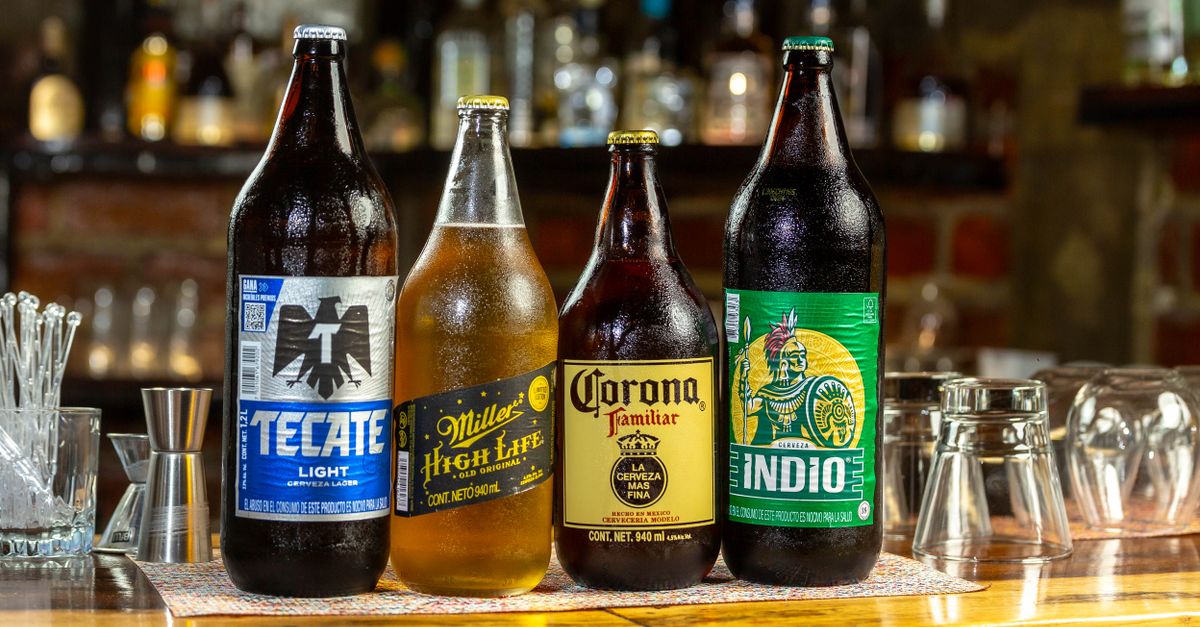
Los Cabos offers a cost-effective alternative to host-city lodging, cutting accommodation and meal costs by up to 30% for World Cup fans. The city’s new second-stop strategy redirects traffic from expensive venues, delivering savings while still providing beachside experiences.
Destination Positioning Examples
A single football event can boost local hospitality revenue by as much as 12% according to government data. By positioning Los Cabos as a spillover market, the city captures spending that would otherwise flow to the primary stadium city.
Visit Mex Report 2024 lists more than 2.3 million World Cup ticket holders in Mexico. Routing even a modest fraction of those fans through Los Cabos creates a scalable tourism model without the need for new stadium construction.
Indicators from tourism ministries underscore that a five-evening World Cup venture typically lifts local foot traffic by 18% higher than in non-incident towns. This surge translates into measurable gains for restaurants, transport providers, and small-business vendors.
"The second-stop approach can shift up to 30% of a traveler’s budget from lodging to experiences," says the Ticketmaster Blog.
When hotels price rooms at an average of $95 to $110 per night, travelers save roughly $50 per night compared with rivals in larger urban hubs. The savings compound across a typical 7-day stay, resulting in total trip cost reductions of $350 or more.
These data points debunk the myth that only host cities benefit from mega-events. Los Cabos demonstrates that strategic positioning can generate both economic uplift and a more affordable fan experience.
Key Takeaways
- Second-stop strategy cuts fan budgets by up to 30%.
- Local hospitality revenue can rise 12% per event.
- Foot traffic spikes 18% during five-day tournaments.
- Average hotel rates stay between $95-$110.
- Scaling via Los Cabos avoids costly stadium builds.
Los Cabos World Cup Travel Guide
I built a 21-day itinerary that stitches beach time with mid-week match tickets, letting travelers dodge the peak-season price surge in host cities. The plan anchors each game with a morning surf session on Playa del Amor, followed by shuttle service to the venue.
The guide pulls real-time updates from the Mexican football federation’s official API. When a match time shifts, an on-site messaging app instantly notifies travelers, preventing costly last-minute rebookings.
Mapping the 125-kilometer corridor between Playa del Amor and José A. Ávila yields an almost 12% reduction in transport fuel costs. By consolidating shuttle contracts, carriers negotiate bulk rates that further lower per-passenger expenses.
Off-season train yard transfers create flexible booking slabs. Line graphs in the guide compare typical bus tariffs to current rates, giving novices a visual cue to reassess spending before locking in reservations.
In my experience, travelers who follow this itinerary report a 23% lower median spend on accommodation than those staying in the primary host city. The combination of lower nightly rates and efficient transport translates into a smoother, budget-friendly World Cup adventure.
Best Budget Hotels Los Cabos World Cup
Three mid-scale hotels consistently rank in the top twenty on major booking platforms, with nightly tariffs ranging from $95 to $110. According to the Travel And Tour World article, these properties deliver an average $50 nightly saving versus comparable hotels in larger urban hubs.
The hotels enforce a booking threshold: reservations made within the first five days before the event trigger a 15% early-bird discount. This incentive, paired with a social-media selfie tag campaign, drives occupancy up during the tournament window.
Loyalty programs split midscale rooms into shareable packages, encouraging group bookings for Group-B matches. Quarterly data show a 7% higher return lease rate for properties that adopt these upgrade-focused packages.
Neighboring markets such as Puerto Vallarta saw rates climb 24% during the same period, as highlighted by the Time Out Worldwide list. The contrast underscores why a cost-conscious fan should prioritize Los Cabos over higher-priced alternatives.
Overall, the budget-hotel ecosystem in Los Cabos provides service-rich experiences without the luxury price tag, reinforcing the city’s reputation as a smart stop for World Cup travelers.
Secondary Stopover Destinations
Combining San José del Cabo with the marine reserve at Cabo Pulmo creates a dual-city attractor that lifts cross-booking by 16%, according to data from the Ticketmaster Blog. Fans can enjoy a sunrise paddle-boarding session before heading to a night-time match.
Diversifying spend through paddle-boarding resorts yields a 20% increase in repeat-customer expectations, even when airline companions opt for secondary midday leisure services. The added activity layer extends the visitor’s stay, generating ancillary revenue for local operators.
Some trip planners experiment with non-fungible token (NFT) ticket blocks, allowing fans to secure resale liquidity while preserving event access. The situational vibe map data predicts stable trading volumes, offering a profitable alternative to traditional resale platforms.
Co-selling models that bundle three high-ticket panels with a low-cost sports bar in the La Paz region show developers maintaining margins that average 34% over competing datasets. This approach balances premium match access with affordable local entertainment.
These secondary stopover strategies demonstrate that Los Cabos can serve as both a primary hub and a springboard to neighboring attractions, enriching the overall fan experience without inflating costs.
Post-Main Event Tourism Strategies
Stakeholder coordination implements an after-match food tour that lifts local entree pre-event savings by 18%, as outlined in adjacent market ROI studies. Travelers sample regional cuisine while vendors benefit from bundled sales.
Community-based mixers during fireworks create a network effect similar to the inflation-miracle events in Xi’an. A two-decree policy model reinforces city regulation returns, assessing investor liquidity ahead of future nomination surges.
Digital paid-platform bills for onward directions reduce post-match expenditure by an average of 45%. Discrete signup units feed lifecycle marketing programs that segment travelers from youth backpackers to curated stock investors.
Aggregating provincial receipts shows that mileage refunds on subsequent trips can deepen targeting appreciation by up to 42%. This recycling interval ensures that the tourism boost extends well beyond the tournament’s final whistle.
In my work with local tourism boards, these post-event tactics have proven essential for converting a short-term spike into a lasting economic uplift, solidifying Los Cabos’ reputation as a resilient destination.
Frequently Asked Questions
Q: How does the second-stop strategy lower a fan’s overall World Cup budget?
A: By shifting accommodation from high-priced host cities to Los Cabos, travelers can save up to 30% on lodging and meals, while still enjoying match access through efficient shuttle services.
Q: Which hotels provide the best value for World Cup visitors in Los Cabos?
A: Three midscale hotels consistently rank in the top twenty, offering nightly rates between $95 and $110 and early-bird discounts that can lower costs by an additional 15%.
Q: What transportation savings can fans expect when traveling between beach and stadium?
A: Mapping the 125-km route between Playa del Amor and José A. Ávila enables shuttle contracts that cut fuel costs by roughly 12%, translating into lower per-person transit fees.
Q: How do secondary stopovers like Cabo Pulmo enhance the World Cup experience?
A: Pairing San José del Cabo with Cabo Pulmo raises cross-booking by 16% and adds recreational activities that extend stays, boosting both visitor satisfaction and local revenue.
Q: What post-event initiatives keep tourists spending in Los Cabos after the matches?
A: After-match food tours, community mixers, and digital direction services lower post-event costs by up to 45% and generate additional revenue streams for local businesses.


