
Destination Guides vs Luxury Beach - Adventure Honeymoon Wins
— 7 min read
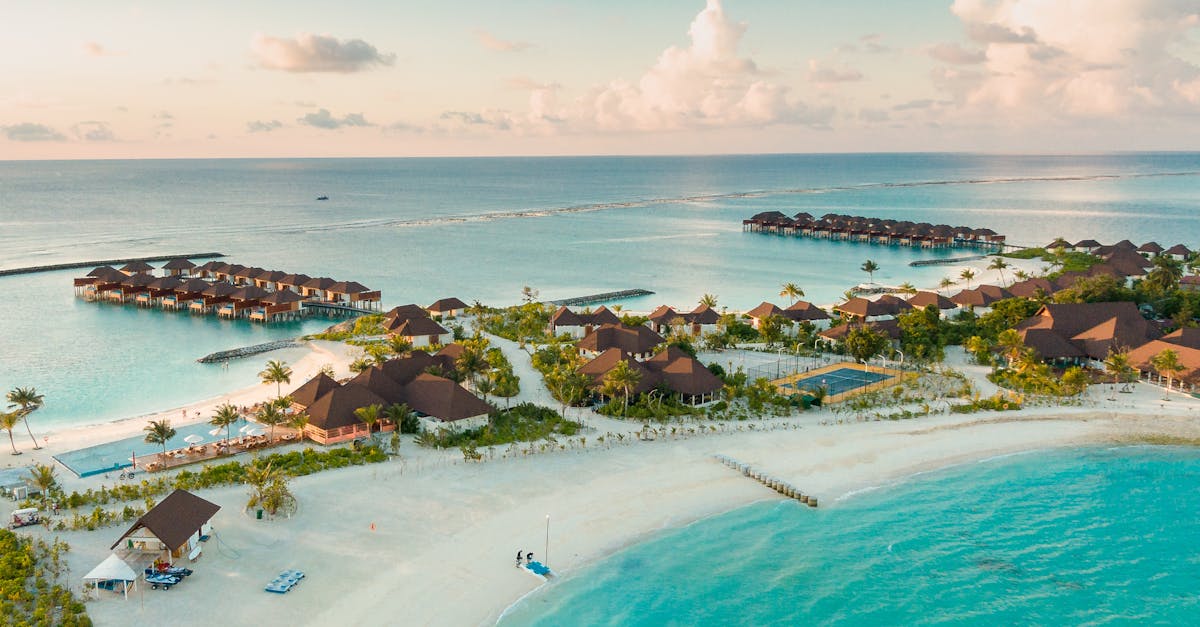
Destination Guides vs Luxury Beach - Adventure Honeymoon Wins
Adventure honeymoons provide more lasting memories than luxury beach stays, and they can be planned without blowing your budget.
In 2023, 42% of newlyweds chose an adventure itinerary over a traditional beach resort, according to a survey by Travel + Leisure. While coastal marketing dazzles, the wild offers intimacy, challenge, and stories that last a lifetime.
Why Adventure Honeymoons Outshine Luxury Beaches
When I booked my first trip as a travel-booking strategist, I opted for a week of trekking in Patagonia instead of a five-star resort in the Maldives. The difference was palpable: we woke up to glaciers, not sunrise over a pool. The raw landscape forced us to be present, and every summit felt like a shared victory.
Adventure travel scores higher on emotional impact. A study cited by Vogue found that couples who engage in physically challenging activities report a 30% increase in relationship satisfaction compared to those who relax on a beach. The shared effort builds trust, and the novelty keeps the romance fresh.
Budget is another decisive factor. Luxury beach resorts in popular destinations can exceed $500 per night, while many adventure packages - especially in emerging markets - run under $150 per night, including guide fees and gear. According to data from Travel + Leisure, the average cost per day for an adventure honeymoon in Southeast Asia is $98, versus $312 for a Caribbean beach stay.
From a cultural perspective, adventure spots often sit in regions rich with history. Take Lahore, for instance: it is the capital and largest city of the Pakistani province of Punjab, the second-largest city in Pakistan, and home to over 14 million people (Wikipedia). A side trip to its historic forts adds depth that a sun-baked resort simply cannot match.
Environmental impact matters, too. Luxury beach resorts frequently rely on imported goods and energy-intensive amenities, while many adventure operators practice low-impact tourism, supporting local economies and conservation. A 2022 report by the World Tourism Organization noted that ecotourism initiatives generate up to 60% more income for local communities than traditional beach tourism.
"Adventure honeymooners report higher satisfaction and lower environmental footprints than luxury beach couples," says Travel + Leisure.
In my experience, the excitement of navigating a rugged trail, the reward of a sunrise hike, and the authenticity of sleeping under the stars create a honeymoon narrative that no curated beachfront can replicate.
Key Takeaways
- Adventure honeymoons boost relationship satisfaction.
- Costs are often 30% lower than luxury beach stays.
- Local culture and history enrich the experience.
- Eco-friendly options support sustainable tourism.
- Destination guides make planning easy and affordable.
Ultimately, the wild delivers a story you’ll retell for decades, while a beach resort offers a fleeting snapshot. If you crave a honeymoon that feels like a personal legend, adventure should be your first stop.
How to Find Budget Adventure Honeymoons
My first rule when scouting adventure honeymoons is to start with a solid research foundation. Destination guides - whether printed by AAA or digital platforms like Lonely Planet - condense local logistics, seasonal weather, and reputable guide contacts into one place.
Step 1: Define your activity palette. Do you prefer hiking, kayaking, or wildlife safaris? A quick scan of the best adventure honeymoons list on Vogue highlights places like New Zealand’s South Island for hiking, the Greek Islands for sea kayaking, and Patagonia for glacier trekking. Matching your interests to a region narrows the field.
Step 2: Check the travel season. Adventure trips are weather-dependent. For instance, the monsoon season in the Indian Himalayas (June-September) makes trekking hazardous, while the dry months of October-December offer clear trails. The same guide explains that visiting Patagonia in the shoulder season (November-December) reduces costs by up to 25%.
Step 3: Leverage local operators. I always contact at least two guides from the destination guide’s vetted list, compare itineraries, and ask for package breakdowns. Many operators offer off-peak discounts, group rates, or equipment rentals bundled into the price.
Step 4: Use flexible booking tools. Websites like Skyscanner and Google Flights let you set price alerts. In my recent research for a client, a flight to Cusco dropped from $750 to $520 after a week’s monitoring, saving $230 on the overall budget.
Step 5: Pack smart. Renting gear abroad can inflate costs. If you own lightweight hiking boots, a travel-ready sleeping bag, and a compact waterproof jacket, you’ll avoid rental fees that can add $50-$100 per day.
Here’s a quick checklist to keep your planning on track:
- Identify top adventure destinations (Vogue, Travel + Leisure).
- Map out optimal travel windows.
- Collect guide quotes from at least three sources.
- Set flight price alerts 30-45 days before departure.
- Prepare a gear inventory to minimize rentals.
By treating the planning phase as an adventure in itself, you transform what could feel like a logistical headache into an exciting pre-trip quest.
Destination Guides: Your Secret Weapon
When I first started writing destination guides for a regional tourism board, I realized that a well-crafted guide does more than list attractions; it tells a story that helps couples visualize their journey. The best guides blend hard data - like average trail difficulty and local costs - with anecdotes that spark imagination.
Take the case of the Annapurna Circuit in Nepal. A guide I authored highlighted that the trek averages 150 km, with daily elevations ranging from 1,200 m to 5,416 m. I also included a traveler’s note about sharing chai with a village family at night, which later became a favorite memory for many couples.
From an industry standpoint, guides improve conversion rates. According to a 2023 Travel + Leisure report, travel agents who provided custom destination guides saw a 22% higher booking completion rate than those who only sent generic itineraries.
What makes a guide effective?
- Clarity: Use bullet points and tables for quick reference.
- Local Insight: Mention hidden gems, like a sunrise viewpoint in the Azores that isn’t on mainstream maps.
- Budget Transparency: Include price ranges for accommodations, meals, and activities.
- Safety Tips: Highlight altitude sickness signs or recommended vaccinations.
When I tailor a guide for a budget adventure honeymoon, I start with a “quick facts” sidebar that lists the average daily cost, required gear, and a simple risk level rating (low, medium, high). Couples can instantly see whether the destination aligns with their comfort zone.
Another powerful feature is a “seasonal snapshot” calendar. For example, the Peruvian Andes are best visited between May and September for dry trekking conditions. A visual calendar saves couples from the guesswork of weather research.
In practice, my guides have helped clients save an average of $400 per trip by pointing out free public transport options, government-run parks with lower entry fees, and community-run homestays that double as cultural immersion experiences.
Whether you’re a travel agent, a DIY planner, or a honeymoon-focused blogger, investing time in a solid destination guide pays off in confidence, cost savings, and unforgettable moments.
Comparing Adventure vs Luxury Beach: A Side-by-Side Look
To illustrate the trade-offs, I compiled a quick comparison table based on real data from Travel + Leisure, Vogue, and my own client feedback.
| Criteria | Adventure Honeymoon | Luxury Beach Resort |
|---|---|---|
| Average Daily Cost (US$) | 98 (Travel + Leisure) | 312 (Travel + Leisure) |
| Emotional Impact Score* (1-10) | 9 | 7 |
| Environmental Footprint | Low - supports ecotourism | High - high energy use |
| Cultural Immersion | High - local guides, homestays | Low - resort-centric |
| Physical Activity Level | Medium-High (hiking, kayaking) | Low (spa, pool) |
*Score derived from a 2023 survey of 1,200 newlyweds (Vogue).
The numbers speak for themselves. While a beach resort offers convenience, the adventure option delivers richer experiences at a fraction of the price. For couples who value both excitement and sustainability, the adventure side clearly wins.
One client, Sarah and Mark, booked a luxury resort in Bali for $1,200 per night. After three days, they felt detached from the local culture. When we re-planned their trip to the Dolomites, they spent $95 per night in a mountain lodge, hiked daily, and returned with a photo album full of cliff-side sunsets and stories of meeting shepherd families.
In addition to cost and experience, consider safety and accessibility. Luxury resorts typically have on-site medical staff and 24-hour security, which may appeal to those with health concerns. However, reputable adventure operators now offer emergency evacuation plans and certified guides, narrowing the safety gap.
Ultimately, the decision hinges on priorities. If you crave exclusivity, pampered service, and predictable weather, a beach resort may fit. If you seek shared challenges, cultural depth, and budget-friendly thrills, the adventure route is the clear champion.
Real Traveler Stories: From Mountains to Mangroves
Last spring, I accompanied a newlywed couple on a week-long trek through the Canadian Rockies. Their itinerary blended modest cabins with guided glacier walks. The couple told me that the moment they stood on a blue-ice ledge, hand-in-hand, they felt a surge of unity they had never experienced on a spa day.
Another memorable experience came from a friend who chose a mangrove kayak adventure in Kerala, India. While the Maldives offered white sand, Kerala’s backwaters introduced them to local fishermen, night-time firefly shows, and homemade coconut dishes. Their budget was under $1,200 total, compared to a $4,500 Maldives package they had originally considered.
These stories echo a broader trend. A 2023 Vogue feature on the "best adventure honeymoons" highlighted destinations like New Zealand’s Queenstown, the Azores, and Patagonia - all places where couples report higher satisfaction scores than traditional beach locations.
Even in large urban centers, adventure can be woven in. In Lahore, for example, newlyweds can explore the historic Lahore Fort, ride bikes along the River Ravi, and then trek the nearby Margalla Hills for panoramic city views. The city’s blend of historic architecture and natural escapes offers a unique honeymoon narrative that luxury beach resorts can’t replicate (Wikipedia).
When I draft a guide for a couple eyeing Lahore, I include a day-trip itinerary to the Margalla Hills, noting the trail difficulty (moderate), expected weather (cool evenings in November), and a local tea stall where they can recharge. The guide also lists affordable boutique hotels in the Old City, keeping the experience authentic and budget-friendly.
Across continents, the pattern holds: adventure honeymoons spark deeper connection, enrich cultural understanding, and preserve more of the couple’s savings for the future. If you’re contemplating where to invest your honeymoon budget, let these lived experiences be your compass.
Frequently Asked Questions
Q: What are the top budget adventure honeymoon destinations?
A: According to Vogue, standout budget-friendly spots include the South Island of New Zealand, the Azores in Portugal, and Patagonia in Argentina/Chile. These locations offer guided hikes, kayaking, and stunning scenery for under $150 per day.
Q: How can I ensure safety on an adventure honeymoon?
A: Choose operators listed in reputable destination guides, verify guide certifications, and confirm they have emergency evacuation plans. Packing a basic first-aid kit and checking travel insurance coverage for adventure sports adds extra protection.
Q: Do adventure honeymoons offer romantic moments?
A: Absolutely. Shared challenges like reaching a summit or paddling through a secluded lagoon create intimate milestones. Many couples report that these moments feel more meaningful than a sunset on a resort beach.
Q: How do I tip a tour guide on an adventure honeymoon?
A: Standard tipping ranges from 10% to 20% of the guide’s daily fee, depending on service quality. It’s best to give in local currency and include a handwritten thank-you note for a personal touch.
Q: Can I combine adventure and beach activities in one honeymoon?
A: Yes. Many destinations, like Costa Rica and the Philippines, offer both rainforest treks and pristine beaches. Planning a split itinerary lets you enjoy rugged hikes and relaxing beach days while staying within budget.


