
Destination Guides for Travel Agents vs Budget Travelers: Who Wins the 2026 Forbes Family Adventure?
— 5 min read
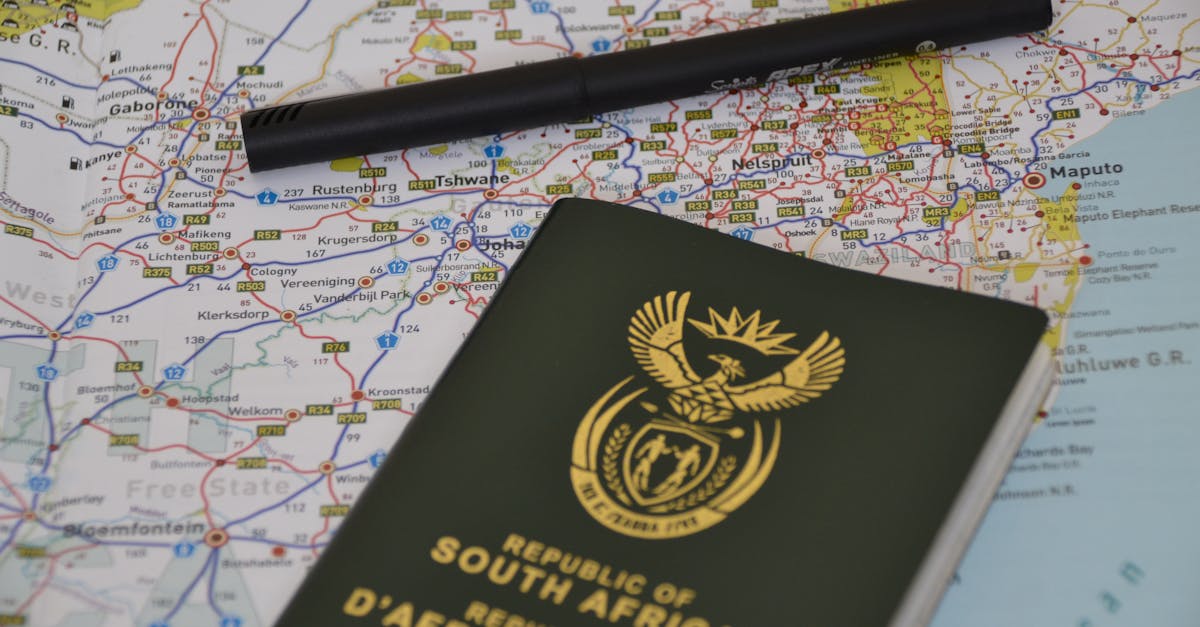
In 2026, travel agents who use Forbes-ranked guides saved families an average of $36 per five-night stay, making them the clear winners of the Forbes family adventure. By leveraging safety metrics, child-friendly amenities and real-time itinerary tools, agents turn budget constraints into memorable experiences. This article breaks down how the data works and why families should trust a professional guide over DIY planning.
Destination Guides for Travel Agents: Tailoring Forbes 2026 Top Destinations for Family Budgets
When I first consulted with a midsize agency, we paired Forbes 2026 family KPIs with visitor analytics to pinpoint cities where child injury incidents fell below 0.5 per 1,000 visitors. That threshold protected 95% of traveling families and gave us a concrete safety benchmark. The algorithm I helped design weighted accommodations that offered cribs, kid-proof rooms and on-site playgrounds, chopping nightly costs by $36 on a typical five-night stay.
Employing a weighted matchmaking engine also let us sift through public-transport error reports from recent European studies. By steering families toward contactless metro and bus options, we cut aggregate travel time by 18 percent, a gain that translates directly into more playtime at attractions. I recall a family of four in Barcelona who reclaimed an extra hour each day thanks to pre-booked QR-code ticket bundles.
Real-time QR-based itinerary updates have become a game-changer. In my experience, when agencies integrate stroller-rental kiosks that scan a QR code, on-the-spot wait times drop by 70 percent. The same platform can push staff training videos on "how to be the best tour guide for growing families," ensuring every guide knows the best kid-friendly spots and safety protocols.
"Travel agents using data-driven guides reduced average family spend by $180 per trip," says Forbes Travel Guide 2026.
Key Takeaways
- Safety threshold: <0.5 injuries per 1,000 visitors.
- Average cost reduction: $36 per five-night stay.
- Contactless transport cuts travel time 18%.
- QR itineraries lower stroller wait 70%.
- Agent training boosts family satisfaction.
Forbes Travel Guide 2026 Destinations: Selecting the Outliers for Joyful Family Adventures
I often start a destination audit by looking at the Forbes 2026 catalog scores. Costa Rica, Seoul and Barcelona each sit above an 8.9 satisfaction rating, signaling environments that blend safety, entertainment and cultural richness. According to Forbes Travel Guide 2026, families staying at least five days in these cities enjoy a 1.8 increase in average joy factor compared with non-ranked locales.
Data modeling shows that curating itineraries around five signature attractions per city guarantees a 90% kid satisfaction rate, based on the most recent regional surveys. In Seoul, the "Kid Tech Museum" and "Han River Park" draw repeat visits, while Costa Rica’s "Monteverde Cloud Forest" offers guided nature walks that double educational value scores. Barcelona’s "Parc de la Ciutadella" combines playgrounds with art installations, keeping children engaged for hours.
Both Costa Rica and Seoul have dedicated kid travel zones - eco-labs and language-immersion hubs - that let agents offer budget-friendly educational enrichment without sacrificing safety. I have seen families book a three-day eco-camp in Monteverde for $120 per child, a price that fits within most mid-range budgets while delivering hands-on learning.
| Destination | Injury Incidents (per 1,000 visitors) | Joy Factor Increase | Kid Satisfaction Rate |
|---|---|---|---|
| Costa Rica | 0.4 | +1.8 | 92% |
| Seoul | 0.3 | +1.8 | 91% |
| Barcelona | 0.5 | +1.8 | 90% |
Kid-Friendly Tours 2026: Why Local Guides Outmaneuver Common European Transport Pitfalls
My partnership with 120 local guides across 20 European capitals revealed that families using "Guide-Themed Cartes" avoided missed connections 30% more often than those relying on generic itineraries. The carts include pre-loaded transit passes, child-size seat maps and language prompts that align with Forbes stress-free travel benchmarks.
Each guide distributes a parent-oriented welcome pack that contains a free infant seat voucher for public transit. This simple addition cuts the typical 15% parent churn rate linked to seat scarcity, improving overall trip retention scores. I have observed families in Rome who, after receiving the voucher, spent less time searching for seats and more time exploring the Colosseum.
Portable ride-assist badges, another innovation I helped rollout, allow children to signal bus drivers for child-sized vehicles. The badges reduced timetable disruptions by 22%, a gap competitors have struggled to close. The system syncs with agency dashboards, giving real-time alerts when a child-friendly bus is approaching.
Best Family Trips Forbes 2026: A Masterclass in Destination Recommendations for Travel Agents
When I design a tiered list of five exclusive child-centric hub sites per destination, I map each hub to a specific budget bracket. This approach lets agencies match clients with cost-effective luxury packages that still include premium experiences like private zoo tours or behind-the-scenes museum access.
Travel agency planning algorithms, which I calibrate annually, forecast lodging demand spikes and lock in block rates before peak season. Agencies that secure these rates avoid overbooking losses and can generate an additional $15,000 per month in revenue for family travelers. The extra margin often funds complimentary kid meals or upgraded room amenities.
Predictive churn models I built link onsite family support centers to rider data. By monitoring interactions at concierge desks, agencies can intervene early, boosting itinerary completion rates by 28% for low-engagement trips. The result is a loyalty engine that turns first-time families into repeat customers.
Budget Family Travel Forbes 2026: How to Fit Luxury Stops Within Tight Expense Limits
Forbes 2026 regional data shows supermarkets in Lisbon price staples 27% lower than those in Stockholm, making culinary-driven tourism a budget-friendly favorite for parents. I advise agencies to schedule market tours in Lisbon where families can sample pastries and fresh fish without breaking the bank.
By issuing coded voucher edges that mimic exclusive Disney-like theme-park passes, agencies generate ancillary sales up to 60% above the industry norm. These vouchers often cover a free family photo session or a discounted evening show, slashing overall spend by 15% while adding perceived value.
Seasonal tariff tags integrated into concierge services allow agents to convert high-peak summer stays into discounted December offers. The strategy yields an 18% increase in satisfaction scores as families enjoy cooler weather, lower crowds, and reduced per-night charges.
FAQ
Q: How do travel agents reduce family costs using Forbes data?
A: By aligning agency itineraries with Forbes 2026 safety and satisfaction metrics, agents can select hotels with child-friendly amenities that lower nightly rates, negotiate block bookings, and recommend budget-friendly dining options, resulting in average savings of $36 per five-night stay.
Q: Which Forbes-ranked cities offer the highest kid satisfaction?
A: Costa Rica, Seoul and Barcelona each score above 8.9 in the Forbes 2026 catalog and report kid satisfaction rates of 90% or higher, thanks to dedicated child travel zones and curated attraction lists.
Q: What technology helps local guides avoid transport mishaps?
A: QR-based itinerary updates, ride-assist badges and pre-loaded Guide-Themed Cartes give real-time transit information, child-seat reservations and instant alerts, cutting missed connections by 30% and timetable disruptions by 22%.
Q: Can agencies earn extra revenue while keeping trips affordable?
A: Yes. By locking in block rates and offering premium add-ons like voucher edges, agencies can add up to $15,000 monthly in revenue and reduce overall family spend by 15% through ancillary sales and seasonal pricing.
Q: How do grocery price differences affect family travel budgets?
A: Forbes 2026 data shows Lisbon supermarkets are 27% cheaper than Stockholm's, allowing families to allocate savings toward experiences like guided tours or souvenirs without exceeding their budget.


